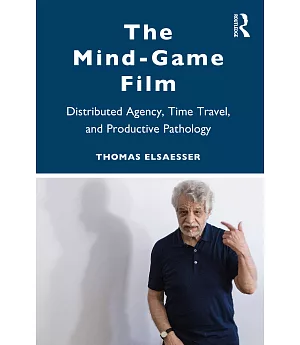
The woman’s picture, the male trauma narrative, and mind-game films—three ways that American cinema tests the limits: of what victims can suffer, what the body can bear, and what the mind can understand. Usually considered both marginal and excessive, these genres, modes, or tendencies in contemporary Hollywood have more in common than might at first appear. They tell us much about the way America engages in dialogue with its own divided nature and nation, demonstrated across its most cherished and characteristic of art forms: the movies.
-
Flash Architecture and Integration
$2,100 -
Hollywood Hellraisers: The Wild Lives and Fast Times of Marlon Brando, Dennis Hopper, Warren Beatty, and Jack Nicholson
$595 -
The Filmmaker’s Eye: The Power of Lenses and the Expressive Cinematic Image
$1,118 -
How to Work the Film & TV Markets: A Guide for Content Creators
$7,875 -
Ethics, Justice, Embodiment, and Global Film: Cinematic Provocations
$6,750 -
The Monster Movies of Universal Studios
$1,710 -
Nollywood: The Making of a Film Empire
$525 -
The Cinema of Catherine Breillat
$5,040 -
The Horror of It All: One Moviegoer’s Love Affair With Masked Maniacs, Frightened Virgins, and the Living Dead
$665 -
Watch It!: Movie Posters As Marketing Tools and Genre Indicators
$2,385 -
Confessional Cinema: Religion, Film, and Modernity in Spain’s Development Years, 1960-1975
$3,150 -
In the Scene: Ang Lee
$1,033 -
Kirk and Anne: Letters of Love, Laughter, and a Lifetime in Hollywood - Library Edition
$2,450 -
Race in American Film: Voices and Visions That Shaped a Nation
$13,230 -
Thoughts on Shorts: Reflections on Writing the Short Film
$5,175 -
Anthology Film and World Cinema
$1,348 -
Studying British Cinema: The 1980s
$3,825 -
Local Cinema: Sardinia & European Periphery
$1,620 -
Studying Italian Cinema
$4,050 -
Universal Terrors, 1951–1955: Eight Classic Horror and Science Fiction Films
$2,248